
Construction work in Libya rarely starts on dry ground. Whether it’s a building site near the coast, a road project cutting through low-lying land, or utility work in an urban area, water shows up early and often. Sometimes it’s groundwater seeping into an excavation. Sometimes it’s rain that has nowhere to go. And sometimes it’s old drainage systems that simply can’t cope anymore.
On these sites, progress usually stops for one reason: water sitting where work needs to happen. That is why dewatering pumps are not treated as backup equipment on serious construction projects. They are part of the setup from day one. Without proper dewatering, excavations soften, trenches collapse, and machinery loses traction. Crews slow down, safety risks increase, and schedules start slipping.
This is a situation contractors across Libya know well. Before foundations can be poured or utilities installed, water has to be controlled and removed consistently. The role of dewatering pumps is simple but critical: keep work areas stable, accessible, and safe so construction can move forward as planned.
At Pump and Dredge Hub, most contractor conversations start here. Not with product names, but with questions about site conditions, water volume, and how long pumping will be required. This blog walks you through why dewatering pumps are essential for Libyan construction projects and how choosing the right pumping approach makes a practical difference on real job sites.
What Dewatering Means on Real Construction Sites
On most construction site projects in Libya, dewatering is not something that gets discussed for long in meetings. It becomes obvious the moment digging starts.
You dig, and water comes in. Sometimes slowly. Sometimes fast. If it stays, nothing else moves forward. That water might be groundwater pushing up from below. It might be rainwater collecting in an excavation with no natural exit. Either way, the result is the same. Soft ground. Slippery access. Walls that start giving way. Crews are waiting instead of working.
This is where dewatering pumps are used, not as a technical solution, but as a practical one. They remove water so the ground holds, machines can operate, and people can safely stay in the work area.
On construction projects, dewatering rarely happens once and ends. Pumps may run all day, sometimes for weeks. Water keeps coming back, especially in deeper excavations or coastal zones. If pumping stops, the site fills again. That’s why reliability matters more than theory.
At Pump and Dredge Hub, this is usually how the conversation starts. How deep is the excavation? How fast is water entering? How long will pumping be needed? Those answers decide which pumps actually work on site, not what looks good on paper.
The Practical Necessity of Dewatering Pumps on Construction Projects
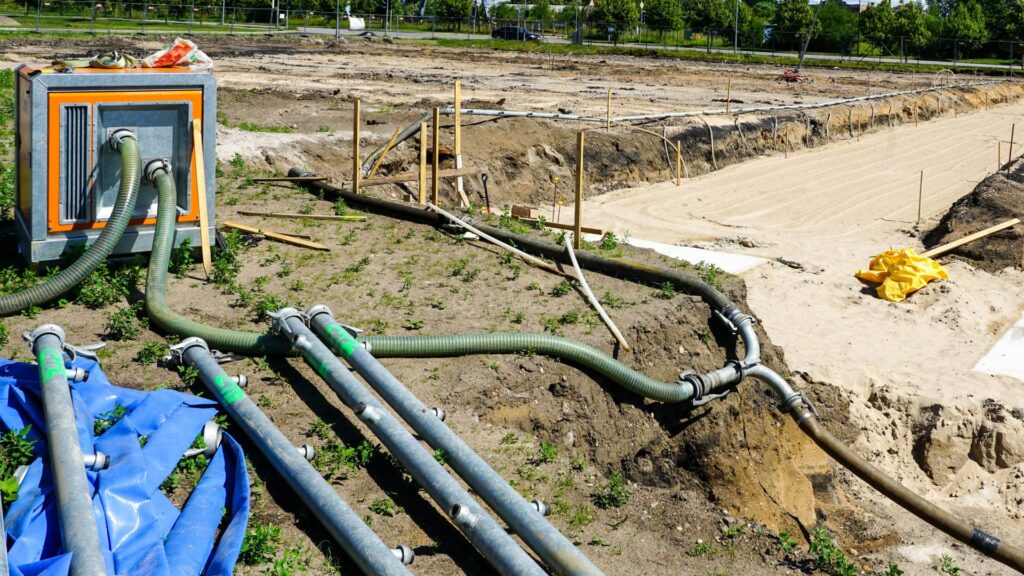
Water slows everything down. That’s the first problem. When an excavation fills up, digging stops. Machines can’t move properly. Workers stay back. What was planned for one day turns into three. On Libyan construction site projects, this happens often enough that most site teams expect it.
The second problem is safety. Wet soil does not behave the same way as dry soil. Trench walls loosen. Edges crumble. Equipment slips. Without pumps running, the risk goes up quickly, especially in deeper pits and narrow work areas.
Then there’s accuracy. Foundations need level ground. Pipes need clean trenches. Concrete work cannot be done in standing water. If water is left unmanaged, parts of the job have to be redone. That costs time and money.

This is why dewatering pumps are treated as working equipment, not emergency tools. They run before excavation reaches depth. They stay on during foundation work. They continue while utilities are installed. On many construction site projects, pumping continues until the structure is stable.
At Pump and Dredge Hub, this pattern is familiar. Contractors don’t ask whether they need dewatering. They ask how much pumping is required and for how long. The focus is on keeping the site dry enough to work every day, without interruption. Choosing the right pump makes that possible.
Key Construction Phases Where Dewatering Pumps Are Non-Negotiable
Excavation comes first
The moment digging goes below ground level, water starts seeping in. It seeps through the soil, collects at the base, and softens the sides. Without dewatering pumps, excavators slow down, and edges stop holding their shape. On many construction site projects, pumping starts before the planned depth is even reached.
Foundation work comes next
Foundations cannot be poured in wet conditions. Standing water affects alignment, strength, and curing. Construction Dewatering pumps keep the base dry long enough for concrete work to be done properly. If pumping stops too early, water returns, and the work has to pause again.
Trenches for utilities follow
Pipelines, drainage lines, and cables require narrow, open trenches. These fill with water quickly, especially after rain. Crews cannot work inside flooded trenches. Here, dewatering pumps run continuously, often moving water away as fast as it enters.
Unexpected water events happen throughout
Rain, surface runoff, or rising groundwater can flood areas that were dry the day before. When this happens, construction site projects either react fast or lose time. Pumps already on site make the difference between a short delay and a full shutdown.
At the Pump and Dredge Hub, these stages guide the selection and supply of pumps. Different phases demand different pumping capacities and configurations. Understanding when and where pumps are needed keeps construction site projects moving instead of waiting for water to drain on its own.
Dewatering Pump Types Built for Libyan Construction Projects
Not all water problems on construction site projects are the same. Some construction dewatering sites deal with slow groundwater. Others face sudden surface flooding. That’s why different pumps are used, depending on what the site actually needs.
Submersible dewatering pumps are used when water collects deep in excavations. They sit directly in the water and run for long hours without needing constant attention. These are common on foundation pits, basements, and deeper construction site projects where water keeps coming back.
Self-priming dewatering pumps are usually placed on the surface. They work well when water needs to be pulled from shallow areas, trenches, or open pits. Contractors prefer them when water levels change often, and the pump needs to be moved around the site.
High-capacity centrifugal pumps are used when large volumes of water must be cleared quickly. These are common after heavy rain or flooding, especially on large construction sites where speed matters more than precision.
At Pump and Dredge Hub, pump selection is based on site conditions, not assumptions. Flow rate, solids content, run time, and discharge distance are all considered before recommending pumps. This approach helps contractors avoid underpowered equipment and keeps construction projects running without repeated stoppages.
Why the Pump and Dredge Hub Fits Libyan Construction Projects
On construction dewatering sites, pumps are judged quickly. Either they keep water under control, or they don’t. When a pump fails, work stops. That’s usually when contractors start looking for better options.
Pump and Dredge Hub works with this reality. Most projects do not need the biggest pump available. They need pumps that can run for long hours, handle dirty water, and keep working without constant repair.
One reason contractors rely on Pump and Dredge Hub is local availability. Equipment is selected with Libyan site conditions in mind, not copied from another market. Soil type, water quality, and operating hours all affect how pumps perform on construction site projects.
Another factor is support. Pump issues are rarely planned. When water levels rise unexpectedly, delays cost money. Having access to the right dewatering equipment and technical guidance helps keep projects moving rather than waiting for fixes.
Pump and Dredge Hub focuses on matching the pump to the job, not forcing a standard solution. That makes Construction dewatering pumps part of the workflow, not a problem to manage later.
Engineering and Operational Practices That Keep Dewatering Effective
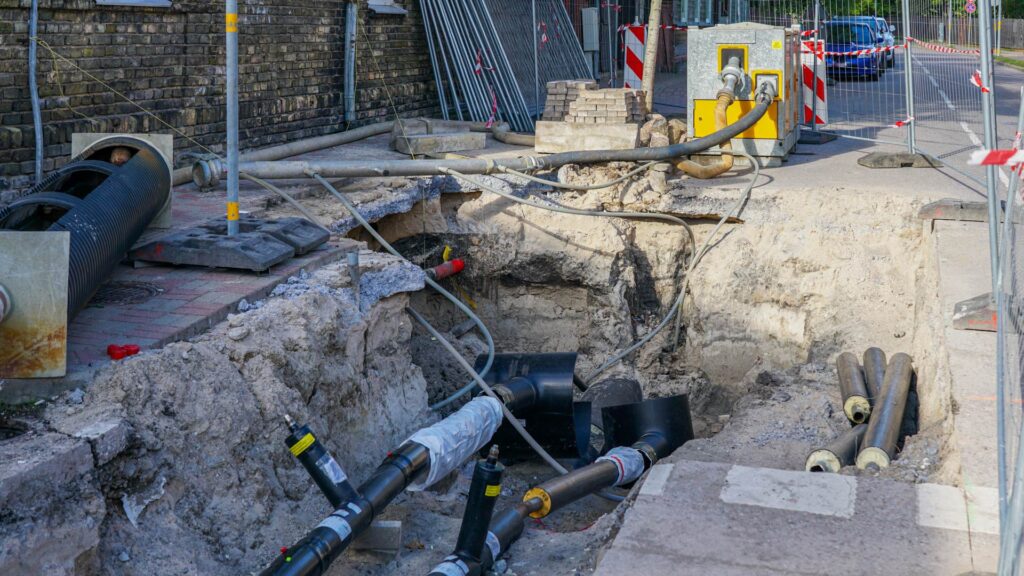
Most problems with the construction dewatering task do not come from the pump itself. They come from how it is used. Before pumping starts, the site needs to be understood. How fast water enters the excavation matters more than how deep it looks. Some construction site projects take in water slowly but never stop. Others flood quickly and then settle. Dewatering pumps must match that pattern.
Pumps also need space to discharge water properly. If discharge lines are too long, blocked, or poorly placed, water can back up into the work area. On busy construction site projects, this mistake causes repeated delays.
Run time is another issue. Dewatering is rarely a short task. Pumps often operate continuously for days. Equipment that overheats, clogs easily, or needs frequent shutdowns does not last on active sites. That’s why pump durability matters as much as capacity.
At Pump and Dredge Hub, contractors are usually advised to plan dewatering as a continuous process rather than a temporary fix. Proper setup, correct sizing, and regular checks keep dewatering pumps doing their job without interrupting construction projects.
Why Dewatering Pumps Decide Project Outcomes
On construction projects, water is not a small issue that can be handled later. If it is not controlled early, it affects every subsequent stage. Excavation slows down. Foundations get delayed. Safety risks increase. Costs rise quietly, day by day.
That is why dewatering pumps are built into the planning of serious construction projects in Libya. They keep work areas usable. They allow crews to stay on schedule. They reduce rework caused by unstable or flooded ground.
The difference usually comes down to preparation. When the right construction dewatering setup is in place, construction moves forward with fewer interruptions. When it is not, water dictates the pace of the project.
Pump and Dredge Hub supports construction teams by supplying pumps that match real site conditions, not ideal ones. When pumping is planned correctly, water becomes manageable instead of disruptive.
In Libyan construction projects, control often determines whether work progresses smoothly or keeps stopping. Dewatering pumps do not just remove water. They protect timelines, safety, and overall project performance.